Soft-Touch Matte Glass Finishes
Traditional Methods vs. Advanced Screen Printing Enamels
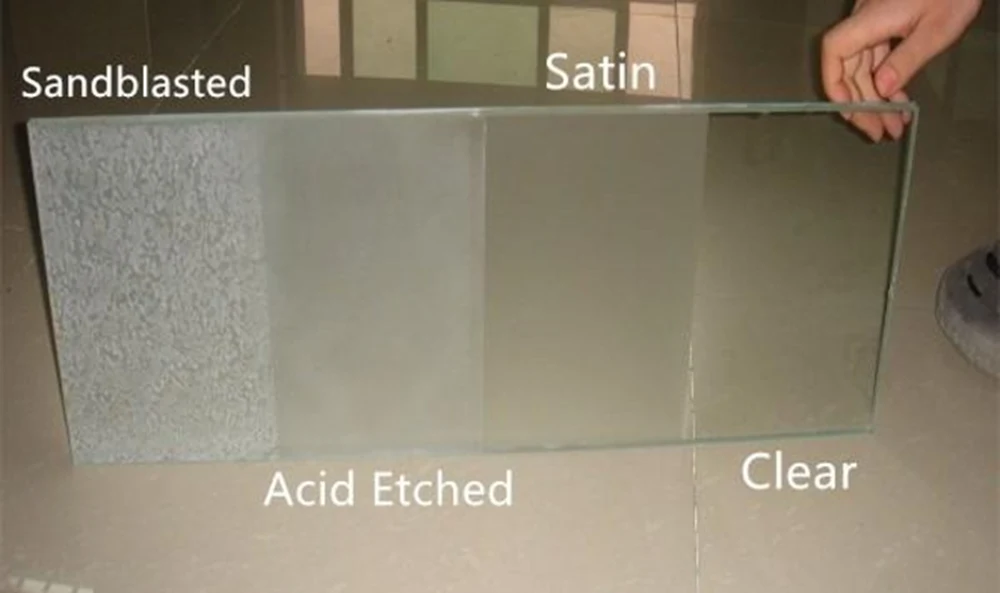
Matte or frosted glass finishes are widely used across industries—from architectural panels and automotive interiors to premium consumer products. Traditionally, achieving this effect relied on sandblasting and chemical etching. While effective, these methods come with several limitations in terms of safety, consistency, and scalability.
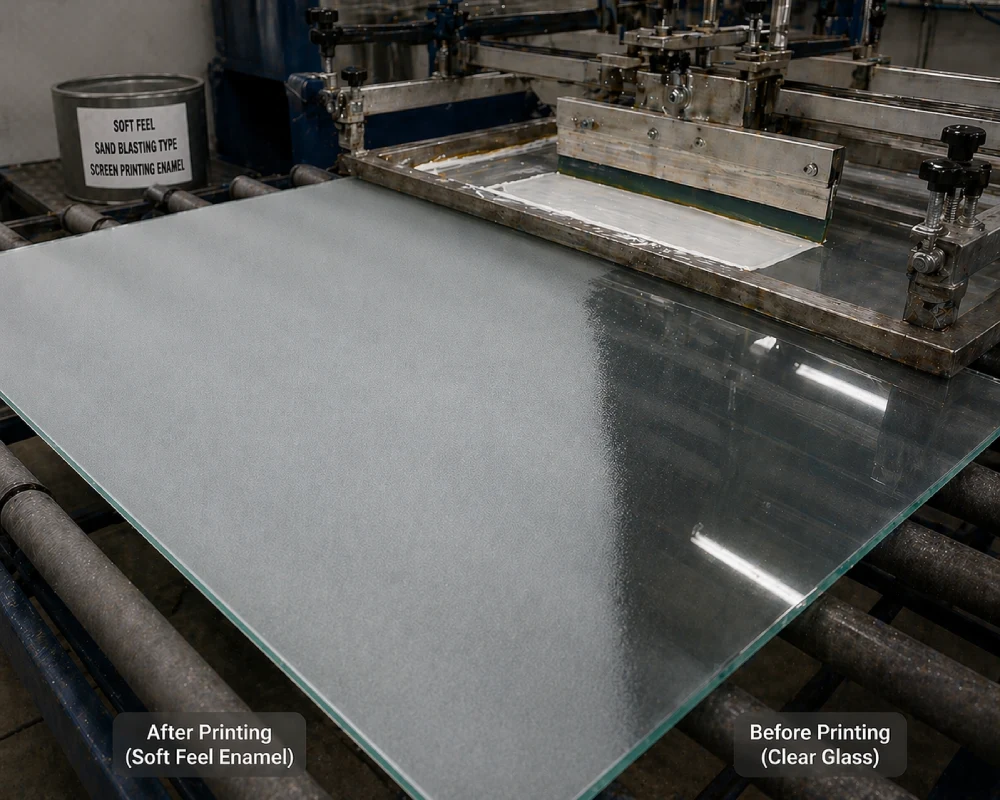
Farbatone Soft Feel Sand Blasting Type Screen Printing Enamel offer a modern, efficient, and high-performance alternative delivering the same premium matte aesthetics with enhanced durability and process control.
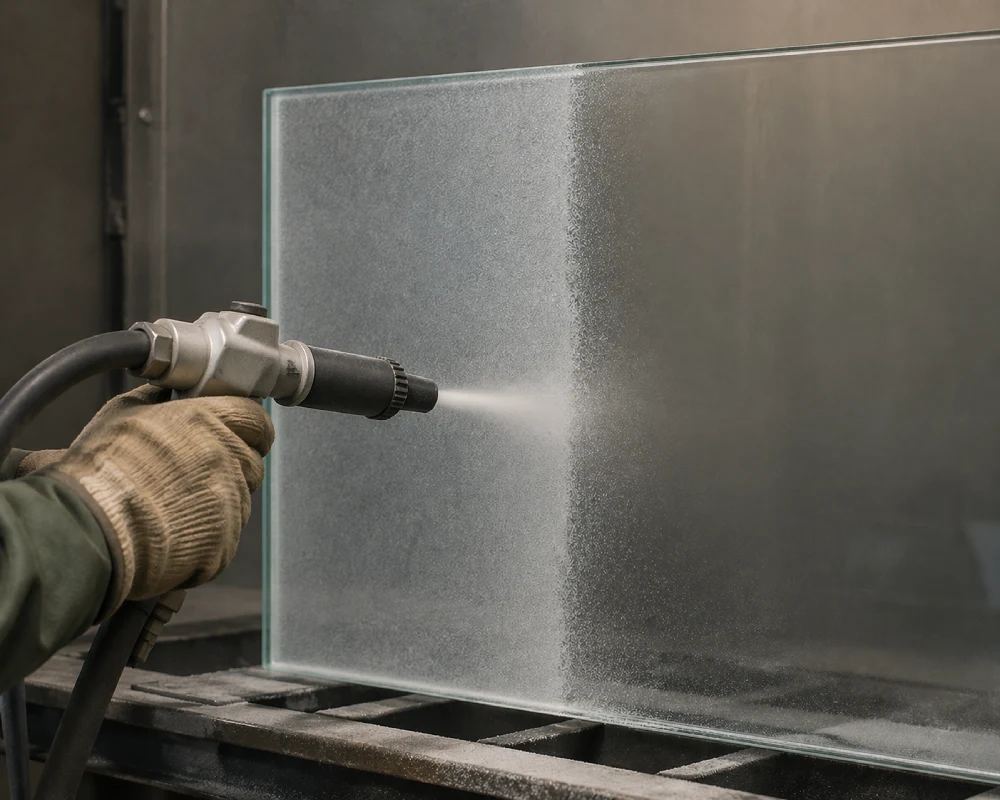
Process:
Sandblasting involves bombarding the glass surface with high-pressure abrasive particles to create a rough, frosted texture
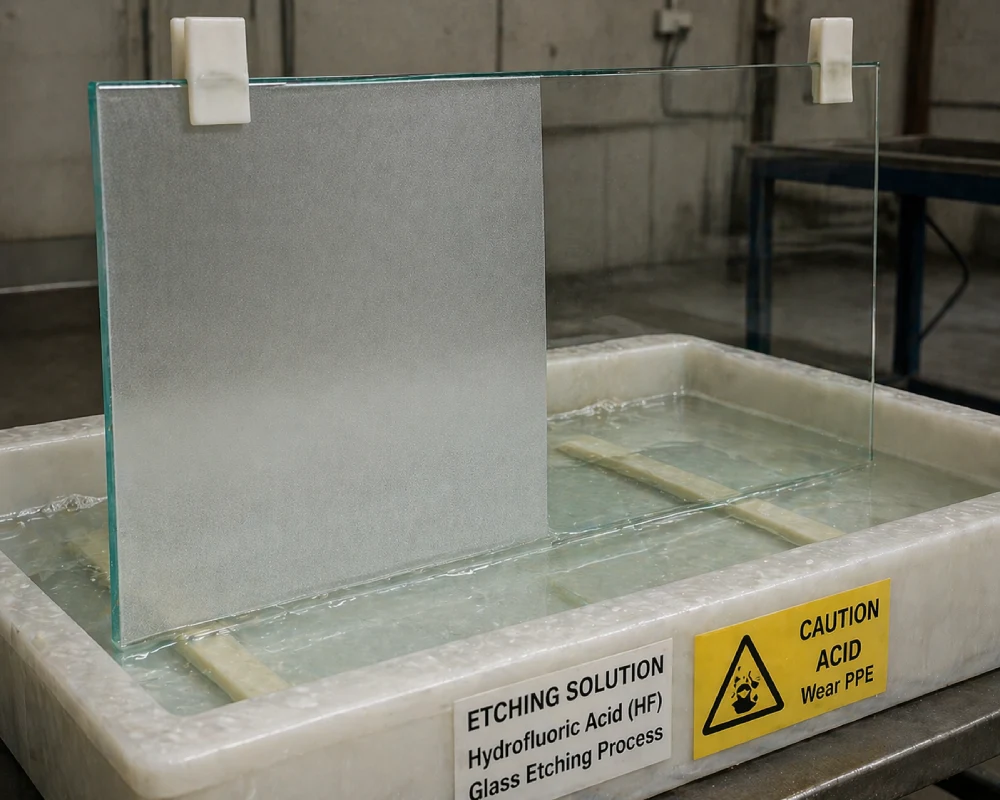
Process:
Chemical etching uses acids (commonly hydrofluoric acid) to react with the glass surface, producing a smooth, frosted finish.
Across both techniques, manufacturers face common issues:
Farbatone introduces an innovative approach that replicates the look and feel of sandblasted glass—without the drawbacks of traditional processes.
A specially formulated screen printing enamel designed to create a soft-touch, matte, sandblasting like finish on glass surfaces.
| Feature | Sandblasting | Chemical Etching | Farbatone Screen Printing |
|---|---|---|---|
| Surface Texture | Rough, grainy | Smooth, satin | Soft-touch matte |
| Safety | Dust hazards | Highly toxic chemicals | Safe process |
| Consistency | Medium | High | Very high |
| Design Flexibility | Moderate | Limited | Excellent |
| Maintenance | High | Low | Low |
| Scalability | Limited | Moderate | High |
| Automation Compatibility | Low | Low | High |
Farbatone Soft Feel Enamel is ideal for:
Disclaimer : All products, samples, logos, trademarks, registered designs, and brand names displayed here in are the sole intellectual property of their respective owners/companies. Any such materials, samples, or components were provided to Farbatone Inks solely for printing, testing, demonstration, or sample execution purposes. Farbatone Inks asserts no ownership, affiliation, rights, or sponsorship over these logos, brands, or designs, nor are any of these marks or IP registered under any statutory, regulatory, or patent authority by or for Farbatone Inks.